
Welcome to the Brain & Faith Blog
This is where neuroscience and Scripture meet to bring clarity, calm, and confidence into everyday life. From brain health tips and faith-based practices to practical support for parents of young athletes, you’ll find simple, actionable steps to strengthen your mind, nurture your spirit, and guide your family toward lasting peace and resilience.
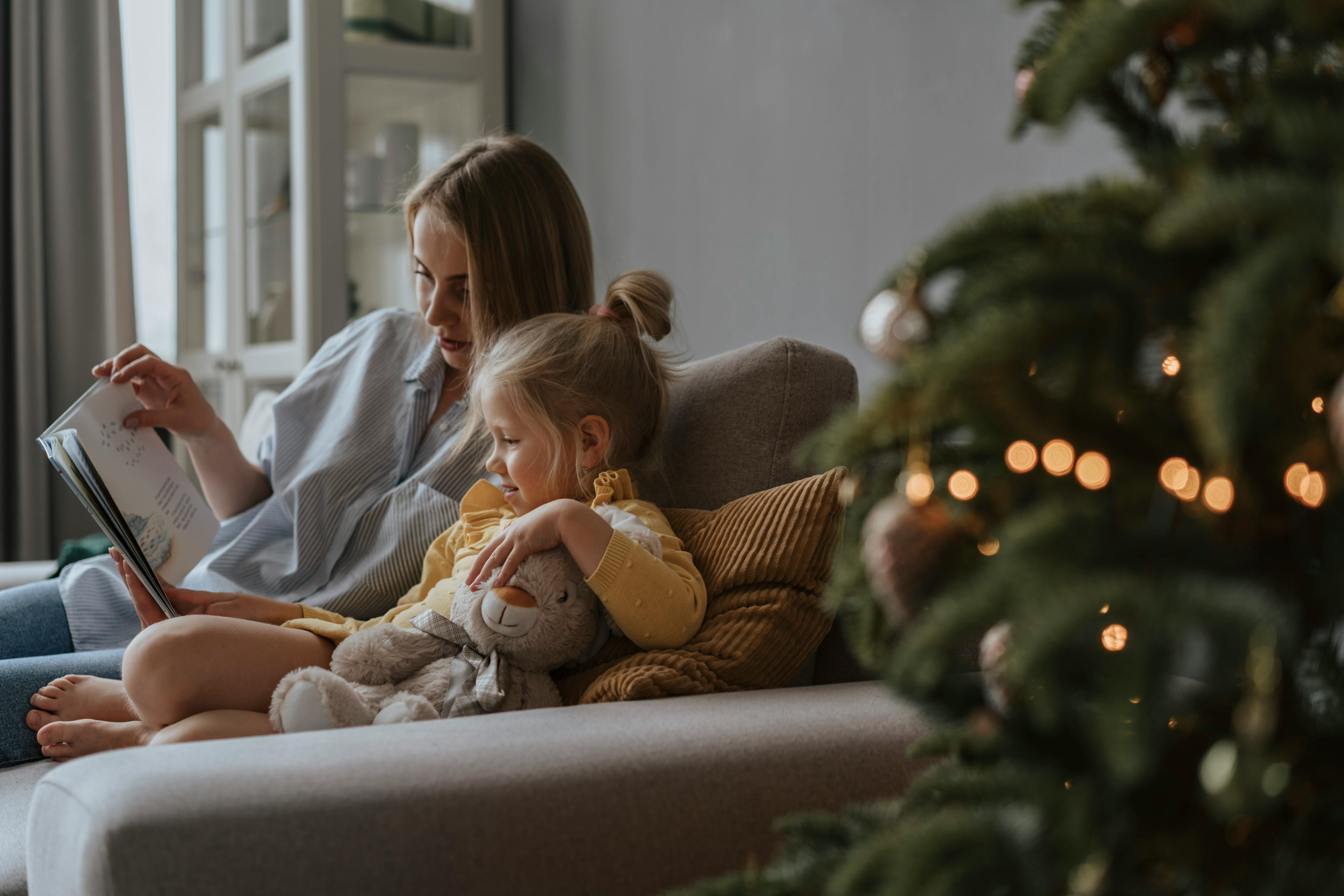
For Sports Parents During the Holiday Break: Rest Matters More Than You Think
The holiday break is here. For many sports parents, it’s a rare pause in the nonstop cycle of practices, games, and travel. But is it really a break if your mind is still on the field?
This year, let’s try something different. Let’s actually rest. Not just our bodies, but our minds too. Here’s how.
Stop Coaching in Your Head
The game is over. The season is on pause. But for many of us, the coaching continues. We replay games, we analyze our kids' performance, we strategize for the next season. We are so used to the grind that we don't know how to stop.
But our kids are watching. They see us, and they learn from us. Research on parental modeling shows that children pick up on our behaviors and anxieties. If we are constantly in coaching mode, we are teaching them that their value is tied to their performance, even during a break. We are teaching them that rest is not important.
Stop Mentally Planning January
It is tempting to use this time to get ahead. To plan for the next season, to research new training programs, to schedule private lessons. But the holiday break is not just a gap in the schedule. It is a crucial time for physical and psychological recovery.
The American Academy of Pediatrics recommends that young athletes take at least one to two days off per week and two to three months off per year from a specific sport to prevent burnout and overuse injuries. This break is not a suggestion. It is a necessity. When we are busy planning, we are not resting. And we are not allowing our kids to truly rest either.
Practice Rest So Kids Learn to Rest Too
Rest is a skill. And like any skill, it needs to be practiced. For our kids to learn how to rest, they need to see us doing it. They need to see us unplug, disconnect, and be present.
Rest is not about being lazy. It is about allowing our bodies and minds to recover and adapt. It is about recharging our batteries so we can come back stronger. So, this holiday break, let's make a conscious effort to rest. Let's read a book, watch a movie, or just do nothing. Let's show our kids that it is okay to slow down.
Presence Rituals for Families
Being present with our families is the best way to rest and connect. It does not have to be complicated. Even 60 seconds of focused attention can make a difference. Here are a few ideas:
One-Minute Hug: Start or end the day with a long hug. No talking, just being present with each other.
Shared Silence: Sit together in silence for a minute. Notice the sounds around you. This simple practice can bring a sense of calm and presence to your day.
Tech-Free Meal: Have at least one meal a day without any screens. Talk to each other. Listen to each other.
This holiday break, let’s give our kids the gift of our presence — and ourselves the gift of rest. They are more than athletes. They are our children, and they need to see that rest matters too.

Brain Health Matters, LLC
Helping busy minds find peace through faith and neuroscience.


© 2025 Brain Health Matters, LLC. All rights reserved.
Terms & Conditions